

Autumn folklore: myths and meanings in the season of change
Updated: Oct 6, 2025
Autumn in Britain is not only a season of colour and harvest but also a time steeped in folklore. As hedgerows brim with berries and woodlands glow with fungi and fallen leaves, our ancestors read stories in the landscape - tales of luck, protection, and even mischief. Here are some of the plants and creatures of autumn, and the myths they carry with them.
Brambles and blackberries
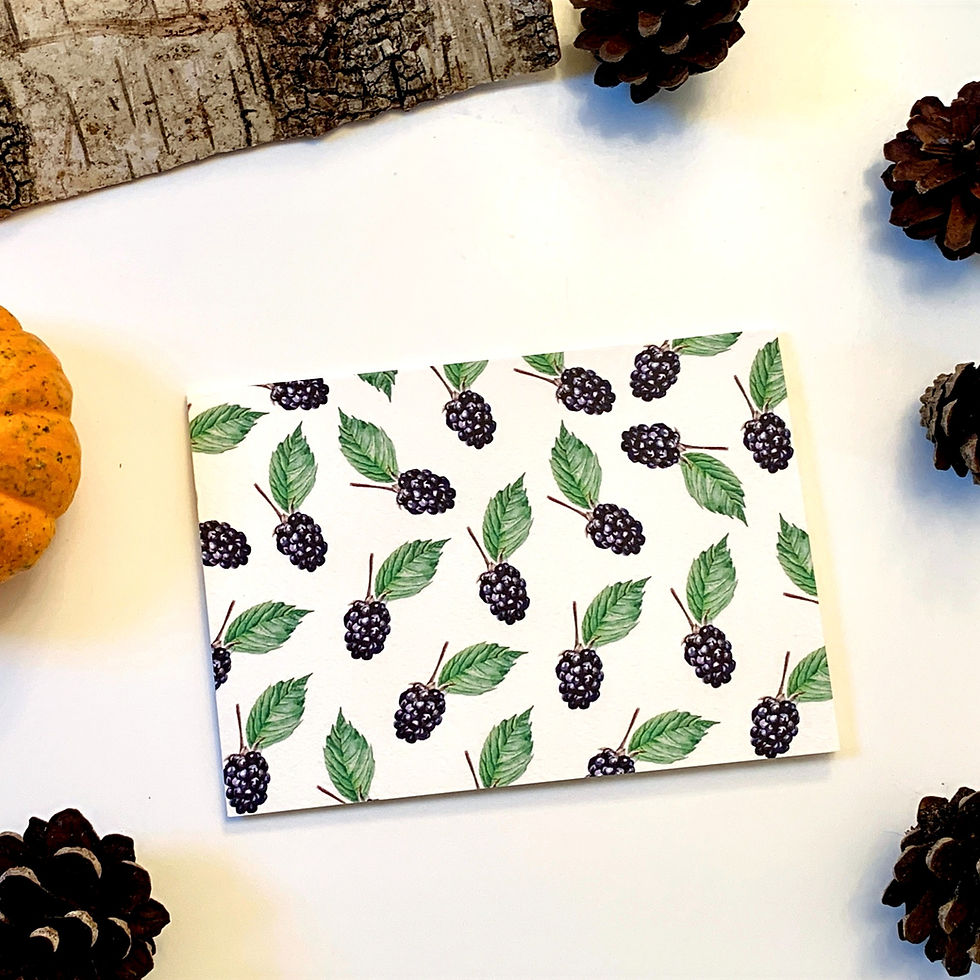
Blackberries are one of autumn’s most beloved fruits, but folklore warns against eating them after Michaelmas Day (29th September). Legend has it that when St. Michael cast the devil out of heaven, he landed in a bramble bush. In rage, the devil spat on the fruit, cursing it from then on. Practical truth lies beneath the tale: by October, berries often spoil, becoming bitter or mouldy.
Heather: luck and protection
Heather, carpeting moorlands in purple and pink, carries strong associations with luck. In Scottish folklore, white heather was thought especially auspicious, bringing protection in battle and love. Heather was also burned on Samhain (31st October) fires to ward off evil spirits and mark the turning of the year.
Ivy and the balance of seasons
Ivy, often seen flowering late into autumn, symbolises endurance and resilience - clinging steadfastly through winter when other plants die back. In old English carols and verses, ivy was paired with holly to represent the feminine to holly’s masculine, both plants central to Yuletide rituals. Spotting ivy flowers buzzing with bees in October is a reminder of its role in sustaining life at the edge of the year.
Rosehips: healing and protection
Once gathered in autumn to make syrups, rosehips were prized in folklore for their health-giving properties. They were also believed to offer protection - dried hips were sometimes strung as charms against illness. In some traditions, rosehip tea was drunk at seasonal gatherings to strengthen the body for winter.
Fungi: portals and warnings
Mushrooms and toadstools dotting autumn woodlands come with a host of stories. Fairy rings - circles of mushrooms - were thought to be gateways to the otherworld. Stepping inside could mean being whisked away by fairies, or cursed with bad luck. Practical advice is hidden here, too: some fungi are highly toxic, so avoiding them was wise.
Owls, crows and other autumn messengers
Autumn evenings bring the haunting calls of owls and the gathering of crows in bare trees. Owls were once seen as omens of death, while crows, intelligent and social, were messengers between worlds. In Celtic lore, the Morrígan, a goddess of fate and battle, often took the form of a crow. Today, their presence marks autumn’s quieter, more reflective mood.
Sloes and the turning year
The blackthorn’s dark berries, sloes, ripen in late autumn. Folklore held blackthorn to be a tree of protection but also of mischief - witches were said to use its wood for wands. Its fruit, though sour, is transformed into warming sloe gin, symbolising how autumn’s hardship can be sweetened by patience and craft.

Autumn as threshold
Many of these stories tie to Samhain (31st October), the Celtic festival marking the end of the harvest and the start of the dark half of the year. It was seen as a threshold time, when the veil between worlds grew thin, and plants and animals around us became signs and symbols.
Even today, walking an autumn hedgerow or woodland path invites us into this older way of seeing - noticing not just what’s growing, but what it might mean.
Whether it’s a fairy ring in the grass, a cluster of rosehips glowing like lanterns, or the last blackberries clinging to brambles, autumn reminds us that nature has always been a storyteller.

Comments